
Experience Design: Where Moments Are Shaped, Not Left to Chance
Exploring how service design, continuous improvement, and human-centred thinking shape meaningful experiences

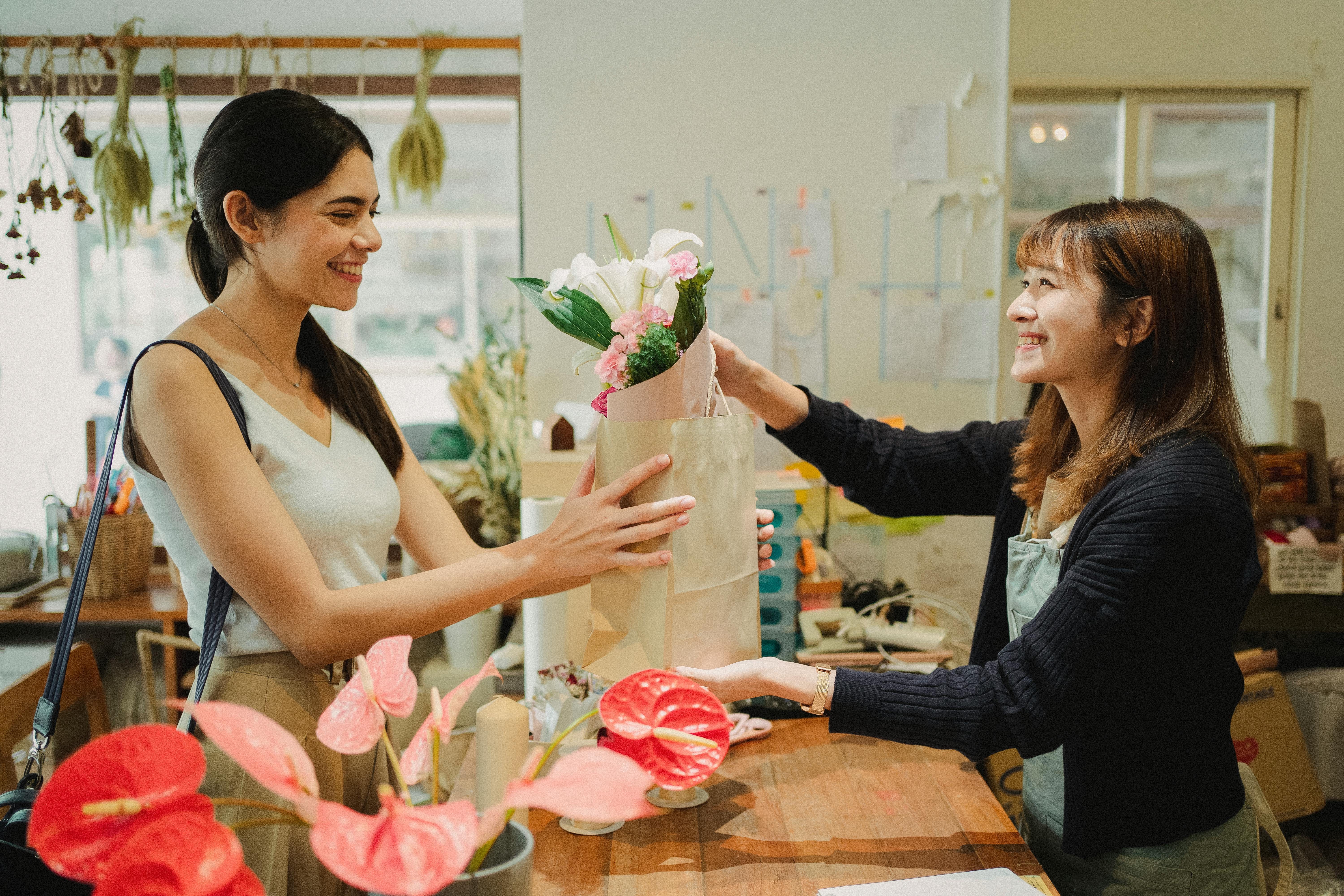
Some experiences stay with us long after the moment has passed.
Not because they were perfect, but because they were considered.
We remember how something made us feel long after we forget the details.
A hotel stay.
A conference.
A service interaction.
An event that lingers in the mind for reasons we cannot immediately explain.
That lingering feeling is not accidental.
It is designed.
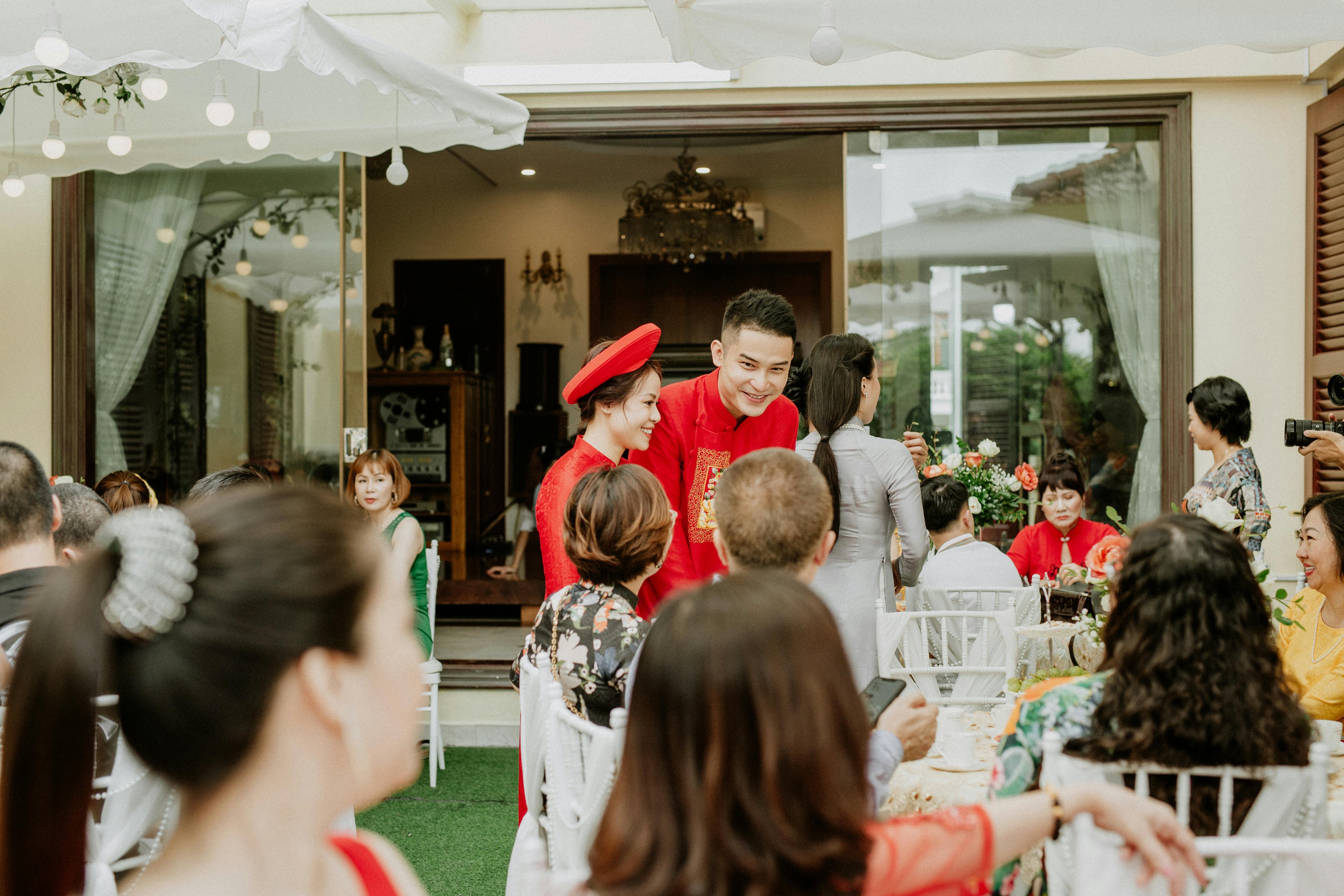
Beyond Products and Services
Experience Design is often mistaken for aesthetics branding, touchpoints, or beautifully curated spaces.
But at its core, Experience Design is the intentional shaping of human moments across time, emotion, and interaction.
It asks deeper questions:
What does the customer feel at each stage?
Where does meaning emerge?
Which moments require empathy, care, or attention?
How do systems, people, and processes shape perception quietly?
In increasingly competitive service environments, experience is no longer an add-on.
It is the differentiator.

Experience Is Lived, Not Delivered
Organisations do not deliver experiences.
People live them.
Experience is co-created between:
the organisation and the customer
the environment and the moment
the service process and human emotion
Every interaction carries layered meaning:
Sensory — what people see, hear, and perceive
Emotional — how they feel in the moment
Cognitive — how they interpret and remember the experience
Designing experience requires acknowledging this complexity not simplifying it.

Why Experience Design Matters More Than Ever
We are operating in a context of:
heightened expectations
emotional fatigue
increasing choice
digital convenience alongside a desire for human connection
Customers no longer compare within industries.
They compare across experiences.
The question is no longer: Was the service delivered?
But: How did it feel? What did it mean?
Experience Design enables organisations to:
move from efficiency to empathy
shift from transactions to relationships
design for meaning, not just outcomes
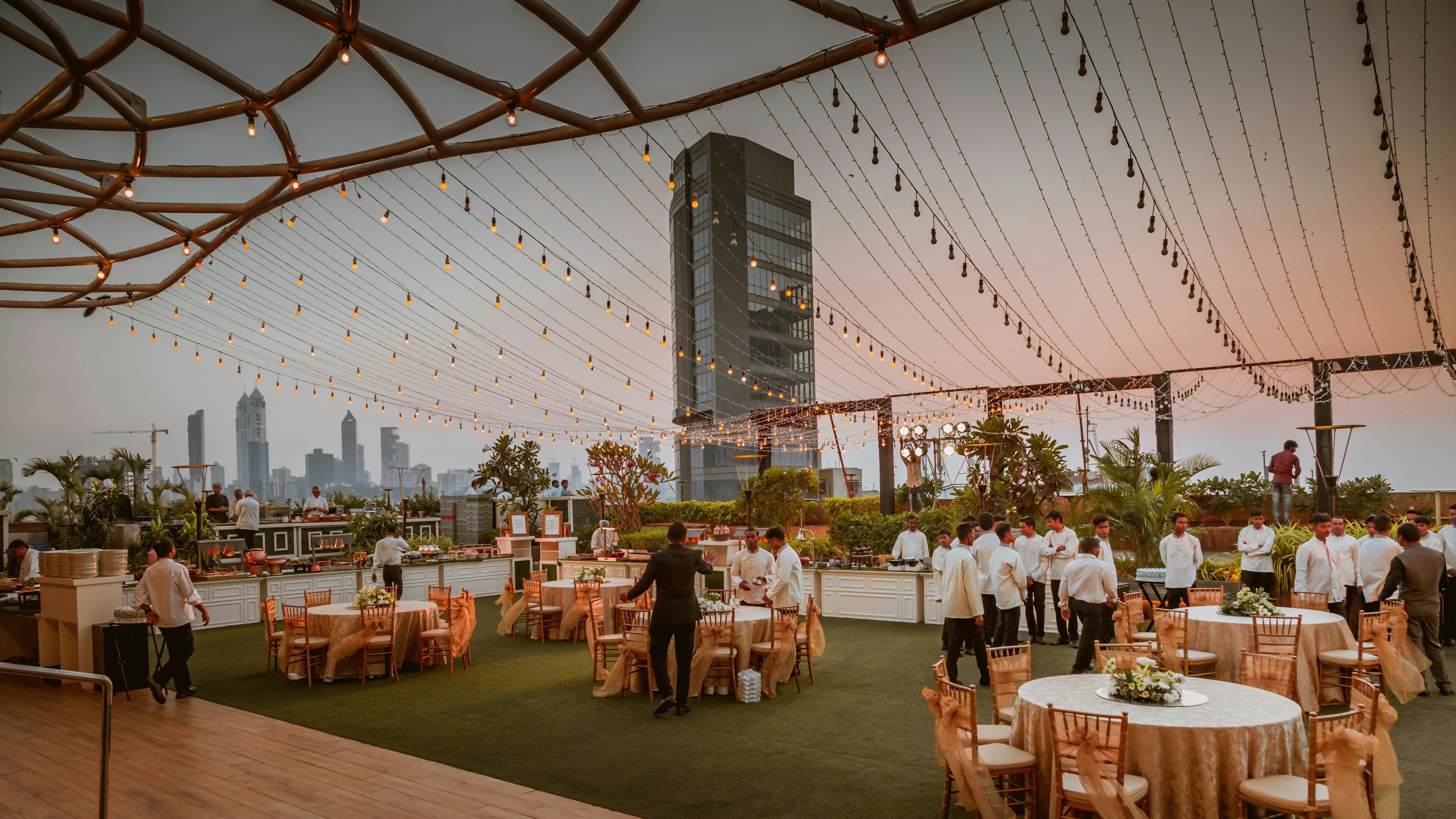
The Invisible Architecture of Experience
The most powerful experiences are often the least visible in how they are constructed.
Behind seamless moments sit:
thoughtful process design
empowered employees
feedback loops that listen and adapt
continuous improvement practices that refine quietly
Experience Design is not a one-off intervention.
It is an ongoing discipline grounded in observation, iteration, and care.
Great experiences are rarely loud.
They are considerate.
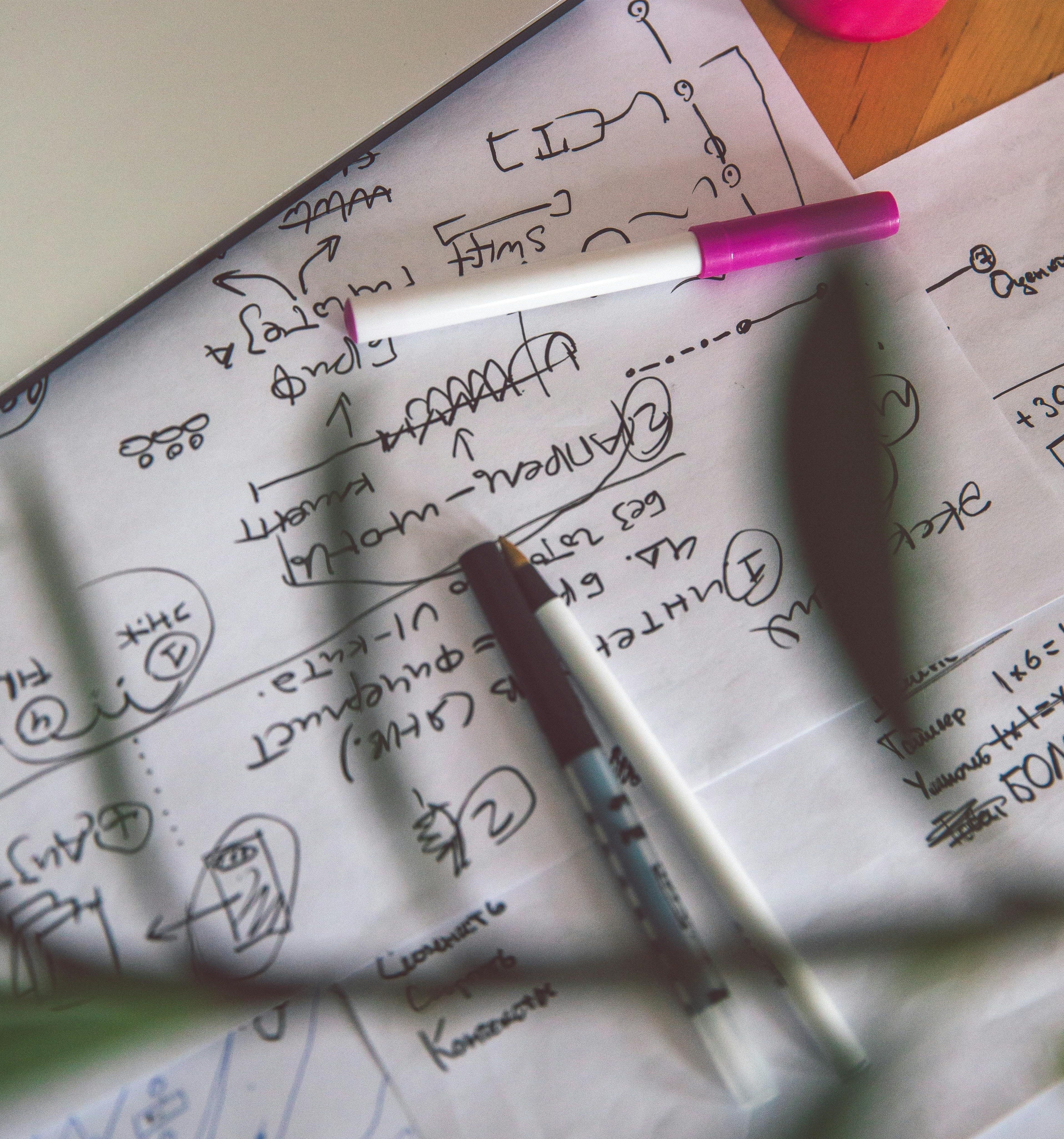
Experience Design as a Strategic Capability
When organisations treat Experience Design as strategy — not decoration — something shifts.
Decisions begin to be guided by deeper questions:
How will this feel for the customer?
Where might friction appears emotionally, not just operationally?
Which moments matter most and why?
At this level, Experience Design intersects with:
service quality
continuous improvement
organisational culture
leadership and empowerment
It becomes a capability: one that evolves, adapts, and compounds over time.

Designing for Humans, Not Personas
Experience Design is ultimately about people.
Not just personas.
Not just metrics.
Not dashboards without meaning.
It requires curiosity:
listening deeply
observing patterns
noticing what is not said
It invites us to pay attention to:
moments of tension
moments of delight
moments where trust is formed — or quietly lost
And then to design with intention.

A Quiet Invitation
Experience Design is not about perfection.
It is about care.
Care in how moments are structured.
Care in how people are supported.
Care in how systems adapt.
In a world that moves quickly, Experience Design invites us to slow down and ask:
What kind of experience are we really creating and for whom?
Because the experiences we design today become the stories people carry tomorrow.
And those stories shape trust, loyalty, and meaning far beyond the moment itself.
Designing experiences is not about doing more.
It is about noticing more.
Learning. Refining. Becoming.